


I. Current Pollution Status and Necessity of Waste Battery DisposalI
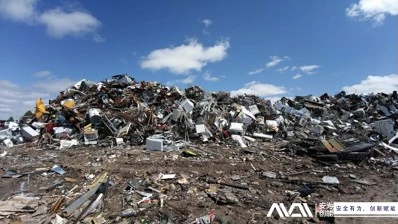
China generates over 10 billion waste batteries annually, with 30% containing heavy metals. For example, while modern alkaline AA and AAA batteries have mercury content below 0.0005% (compliant with GB/T 8897.2), their massive disposal still poses risks of elevated soil mercury levels. Environmental monitoring data from a province shows that groundwater mercury concentrations near landfills are 2.3 times higher than background values, underscoring the hazards of improper disposal.
The cadmium in nickel-cadmium batteries is 100 times more toxic than lead. A single button cell can contaminate 600,000 liters of water-equivalent to a lifetime's drinking supply for one person. Improper handling of lead-acid batteries has led to "lead poisoning incidents," with 15% of children exceeding blood lead levels, severely impacting nervous system development. These figures highlight the urgency of establishing a scientific disposal system.
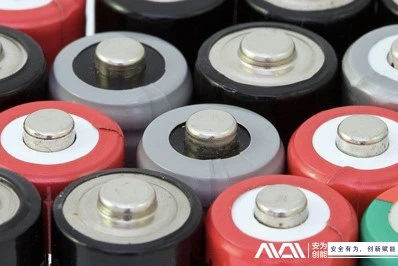
II. Technical Pathways for Classified Disposal of Waste Batteries
(A) Tiered Disposal Solutions for Household Batteries
1,Mercury-Free Alkaline Batteries: Modern AA/AAA alkaline batteries contain <0.0005% mercury, meeting GB/T 8897.2 standards, and can be disposed of with household waste. It is recommended to wrap electrode terminals with transparent tape to prevent short-circuiting and electrolyte leakage.
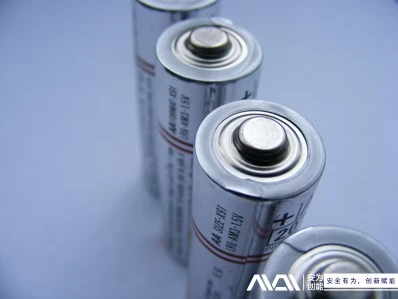
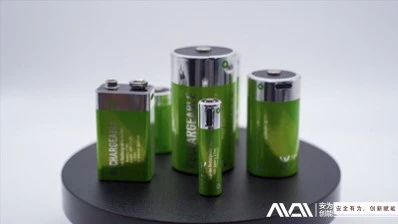
2,Specialized Recycling of Rechargeable Batteries: Lithium-ion and nickel-metal hydride batteries require dedicated recycling bins. A company's "trade-in" program recovers 200 tons of lithium batteries annually, achieving a 92% resource utilization rate through repurposing into energy storage devices.
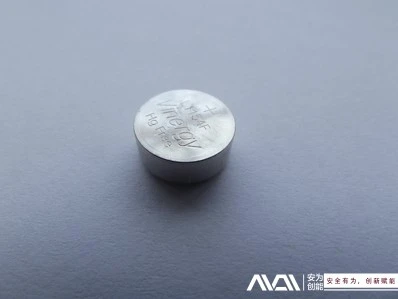
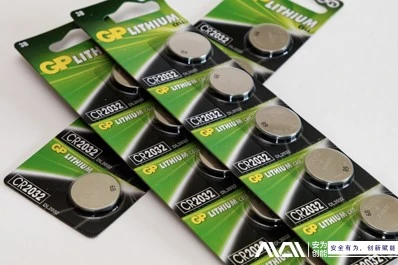
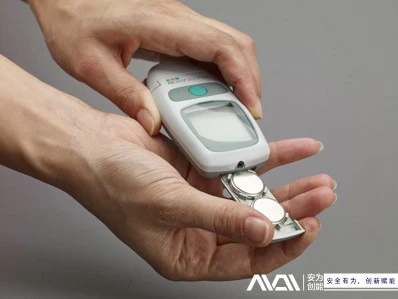
3,Special Handling of Button Cells: Mercury-containing button cells should be sealed and deposited in community hazardous waste collection points. Germany's Magdeburg wet treatment facility extracts over 95% of metals, generating over 12,000 RMB in economic benefits per ton of batteries.
(B) Industrial Battery Treatment Technology Systems
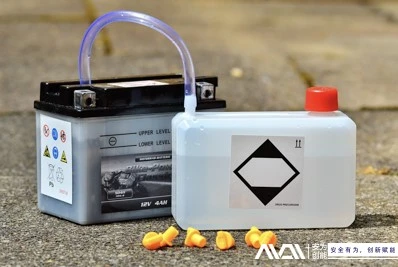
1,Regeneration Process for Lead-Acid Batteries: A combined "pyrometallurgical + hydrometallurgical" approach reduces lead paste in a 650°C furnace and purifies it using ion exchange resins, achieving a 98% lead recovery rate. A Polish enterprise converts sulfuric acid into detergent ingredients, achieving zero pollution emissions.
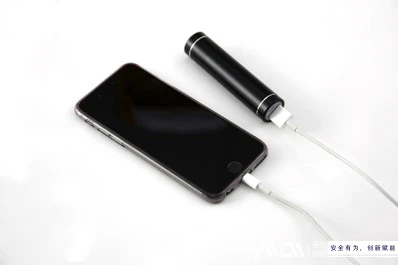
2,Repurposing Scheme for Lithium-Ion Batteries: Retired electric vehicle batteries are inspected and repurposed into energy storage stations if capacity exceeds 80%. An automaker's "vehicle-station-cascading" recycling network processes 1.5 GWh of batteries annually, reducing energy storage costs by 30%.
3,Pyrolysis Technology for Nickel-Cadmium Batteries: Vacuum pyrolysis evaporates mercury at 800°C, combined with magnetic separation to recover iron and nickel. Costs are controlled at 6,345 RMB/ton, saving 40% compared to traditional landfill methods.
III. Construction Pathways for Waste Battery Disposal Systems
(A) Policy and Regulatory Safeguards
Sichuan Province's "Interim Measures for the Recycling and Utilization of Waste Power Batteries from New Energy Vehicles" mandate automakers to assume primary responsibility and establish "reverse logistics" networks. The EU's Battery Directive requires a 65% recycling rate and extends producer responsibility.
(B) Establishment of Recycling Networks
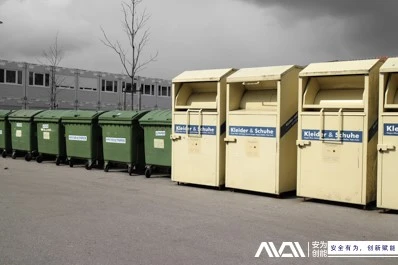
1,Community Collection Points: A Beijing neighborhood deployed smart recycling bins with QR code scanning and weight-based积分 systems, achieving an 85% participation rate.
2,Online Recycling Platforms: The "Laoneng Recycling" app offers door-to-door collection services in 238 cities, with battery recycling prices 15% higher than traditional channels.
3,Extended Producer Responsibility: A battery manufacturer implemented a "deposit system," requiring consumers to pay a 5 RMB deposit refundable upon battery return, boosting recycling rates to 78%.
(C) Technological Innovations
1,Bioleaching Technology: Acidithiobacillus ferrooxidans extracts cobalt and lithium, reducing wastewater emissions by 70% compared to acid leaching. Pilot-scale trials have achieved kilogram-level processing.
2,Plasma Gasification: At 1,400°C, battery materials are converted into synthetic gas with 99.9% heavy metal immobilization. A Japanese enterprise has commercialized this technology.
3,AI Sorting Systems: Spectral analysis and machine vision enable real-time identification of 8 battery types with 99.5% accuracy.
IV. Public Participation and Environmental Practices
(A) Household Handling Guidelines
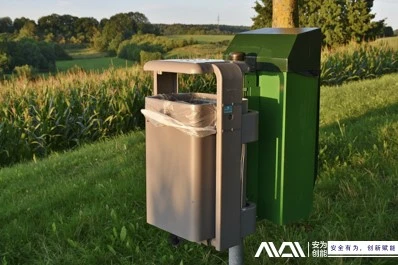
1,Classified Storage: Use airtight plastic containers to store waste batteries, avoiding contact with metal objects.
2,Repurposing Techniques: Old batteries can be crafted into styluses, static eliminators, or knife sharpeners. An environmental NGO's "Waste Battery Workshop" reduces landfill volumes by 12 tons annually.
3,Emergency Response: If a battery leaks, immediately rinse the contaminated area with baking soda solution and transfer the battery to a dedicated container using rubber gloves.
(B) Community-Driven Initiatives
1,Environmental Education: A neighborhood organized a "Life Cycle of Batteries" exhibition using VR technology to demonstrate disposal processes, boosting residents' environmental awareness by 42%.
2,Incentive Points: A Shanghai neighborhood introduced a "Green Account" system, offering 50积分 (points) per kilogram of batteries for redeeming daily necessities or parking vouchers.
3,University-School Collaboration: Tsinghua University and a middle school co-established a "Battery Lab" to develop low-cost testing devices, achieving a 91% student participation rate in recycling.
V. Future Development Trends
1,Blockchain Traceability Systems: A company developed a battery lifecycle management platform for digital tracking from production to recycling, improving efficiency by 35%.
2,Standardized Treatment Centers: Plans are underway to build regional battery processing parks equipped with automated disassembly lines and intelligent sorting systems, reducing processing costs to 800 RMB/ton.
3,International Collaboration Mechanisms: Sino-German cooperation on a "hydrometallurgical-pyrometallurgical" hybrid process achieved 92% lithium and 98% cobalt recovery rates, a 20-percentage-point improvement over traditional methods.